


Brass vs Stainless Steel Faucets: Which Lasts Longer in Pakistani Water?
When you’re choosing faucets for your bathroom or kitchen in Pakistan, the big question usually comes down to brass vs stainless steel. Both materials are popular, both look great when new, and both can last for years. But in real-world Pakistani water conditions, hard water, high mineral content, and sometimes inconsistent quality, one option clearly has the edge for long-term performance.
The Reality of Pakistani Water
Water in many parts of Pakistan contains high levels of minerals and chemicals. Over time, this leads to scaling, staining, and corrosion on sanitary fixtures. Faucets are constantly exposed to moisture, so whatever material you choose has to handle daily wear, humidity, and sometimes rough cleaning habits. This is where material quality really starts to matter.
Why Stainless Steel (SUS 304) Wins for Longevity?
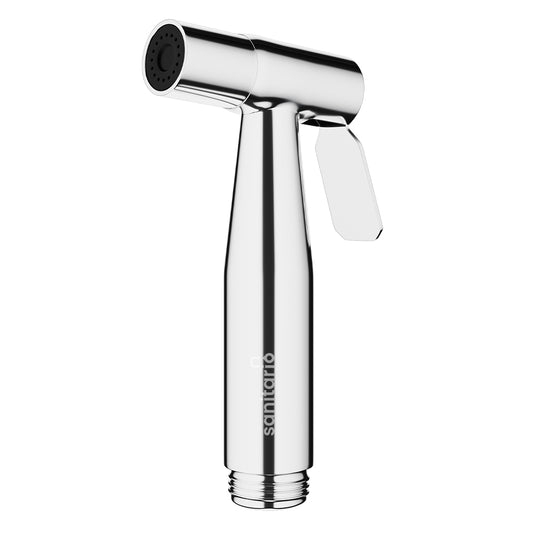
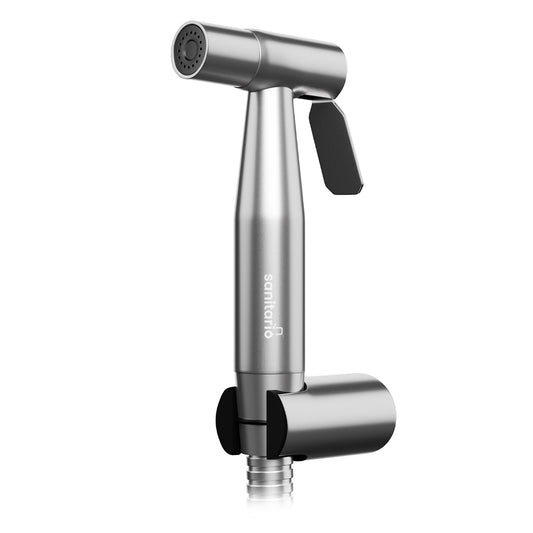
Stainless steel, especially SUS 304, performs exceptionally well in local conditions. It’s naturally resistant to rust and corrosion, which means it doesn’t get eaten away by hard water the way some metals do. It’s also scratch-resistant and tough, making it ideal for busy kitchens and bathrooms where taps get used (and knocked around) all day.
Another big plus is maintenance. Stainless steel faucets don’t demand much usually a quick wipe with a damp cloth keeps them looking clean. You don’t need special polishes or constant attention. On top of that, SUS 304 is 100% lead-free, which is a quiet but important health benefit for households that care about clean, safe water.
Also Read: Ceiling-Mounted vs Wall-Mounted Showers: Which Works Better in Pakistani Bathrooms?
The Case for Brass (and Its Downsides)
Brass is the traditional favorite and, to be fair, it can last a long time often 10 to 20 years if it’s well made and properly cared for. However, in Pakistani water conditions, brass faucets are more likely to tarnish or develop corrosion over time. They need regular polishing and maintenance to keep their shine and prevent surface damage. In high-moisture environments, like bathrooms, brass can start to lose its finish faster if neglected. Brass fittings also tend to be more expensive, especially when you go for good quality.
Final Verdict
If your goal is long-lasting, low-maintenance, and rust-free performance in Pakistani water, stainless steel (SUS 304) is the smarter choice. Brass still works and looks classy, but it asks for more care and attention. For most households, stainless steel offers better durability with less hassle and that’s a win you’ll appreciate years down the line.